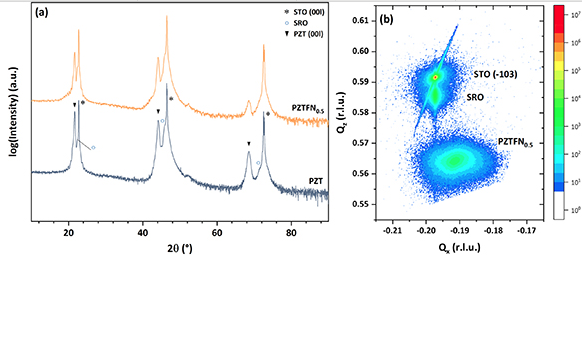
Nano Futures, Volume 10, Number 3, 11 Sep. 2026
Lucía Imhoff, Miguel A. Rengifo, José M. Caicedo Roque, Jessica Padilla-Pantoja, José Santiso, Marcelo G Stachiotti and Myriam H Aguirre
All Open Access, Gold-Hybrid

Ultra Thin Magneto Thermal Sensoring supported by European Union, Grant agreement ID: 101007825
Nano Futures, Volume 10, Number 3, 11 Sep. 2026
Lucía Imhoff, Miguel A. Rengifo, José M. Caicedo Roque, Jessica Padilla-Pantoja, José Santiso, Marcelo G Stachiotti and Myriam H Aguirre
All Open Access, Gold-Hybrid
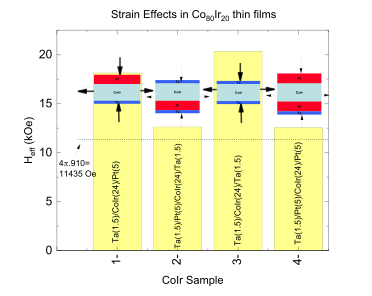
ACS Appl. Electron. Mater. 2026, 8, 6448−6456, 25th July 2026
Luis Avilés-Félix, Marcelo Vásquez Mansilla, Javier E. Gómez, Maia Balod, Jessica Padilla-Pantoja, José Santiso, Subhakanta Das, S.N. Piramanayagam and Alejandro Butera
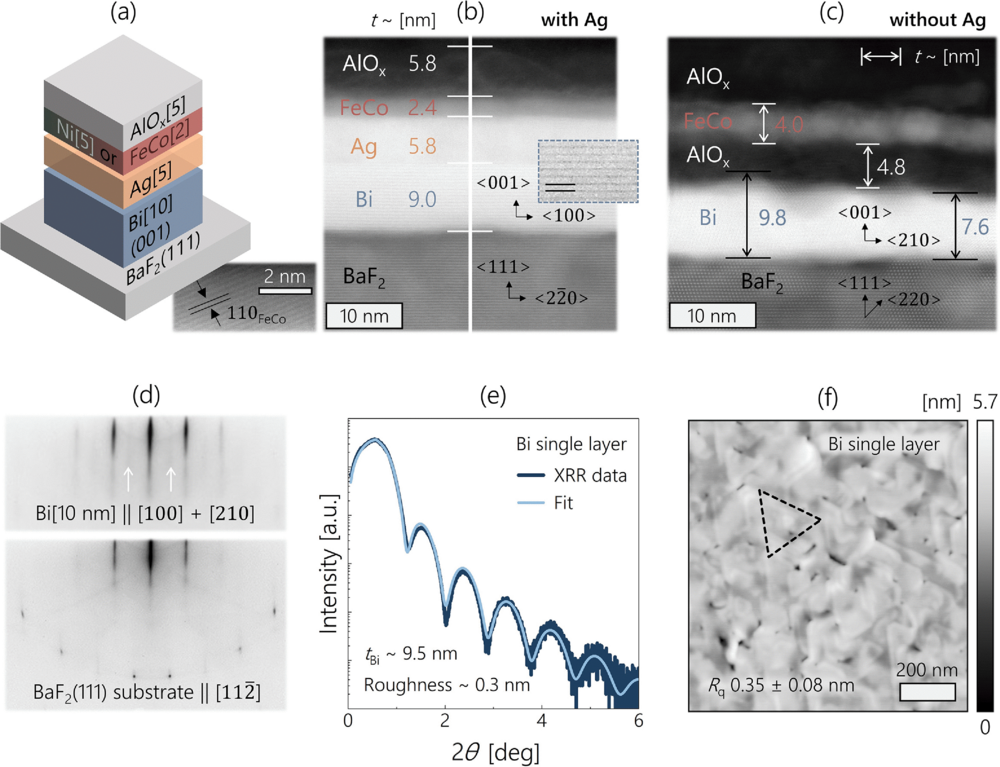
DOI: 10.1103/ghsn-9thc
Physical Review Materials, 10, 7, 9th July 2026
Federica Nasr, Emir Karadža, Santos F. Alvarado, Federico Binda, Tobias Goldenberger, Carlo Zucchetti, Myriam H. Aguirre, Paolo Moras, Andrey V. Matetskiy, Polina M. Sheverdyaeva, Paul Noël and Pietro Gambardella
All Open Access, Green Submitted
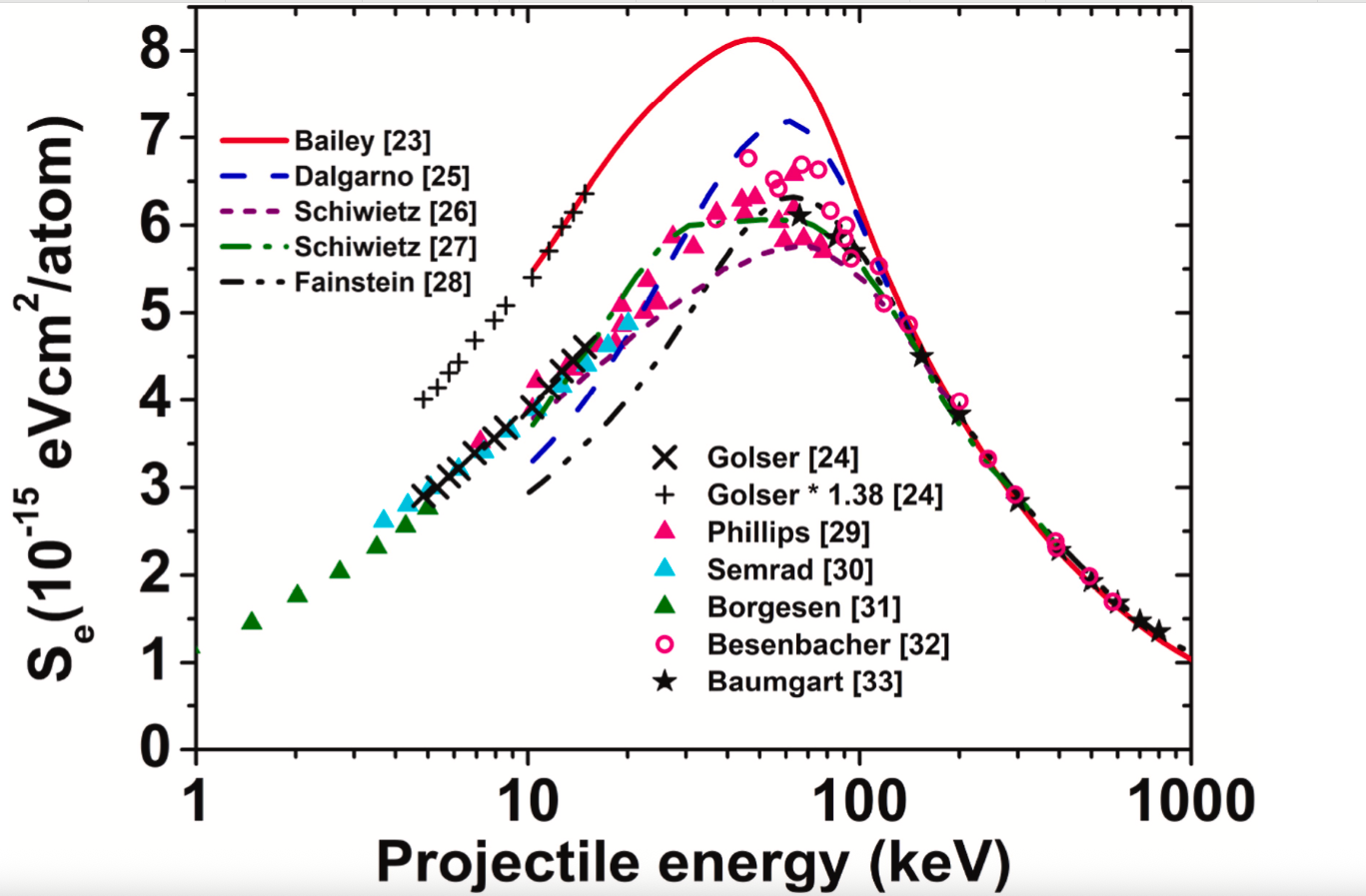
DOI: 10.1016/j.ijhydene.2026.154179
International Journal of Hydrogen Energy, Volume 221, 27 March 2026, 154179
Mario Mery, Vladimir A. Esaulov, Carlos García, Jorge E. Valdés
Published by Elsevier Ltd on behalf of Hydrogen Energy Publications LLC. This is an open access article under the CC BY license (http://creativecommons.org/licenses/by/4.0/ )
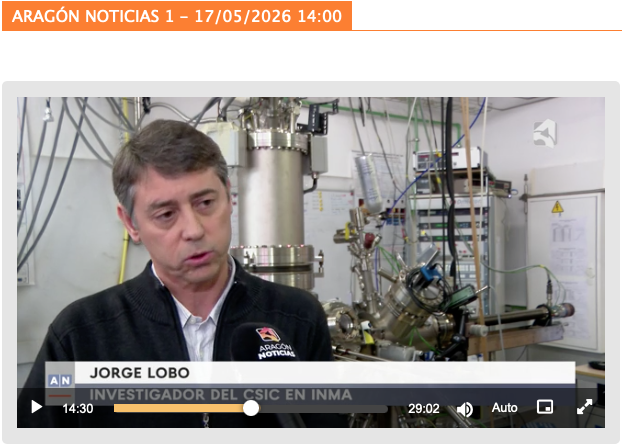
Aragón TV, Aragón Noticias 1, 17th May 2026
Universidad Técnica Federico Santa María strengthened its international scientific collaboration through its participation in the European research project ULTIMATE-I, an initiative funded by the European Union that brought together institutions from Spain, France, Serbia, Argentina, Chile, Peru, and the United States in the field of advanced nanoscience and spintronic technologies.
As one of the project’s partner institutions, USM played an important role in developing research on ultra-thin magnetothermal sensors based on advanced magnetic materials. The initiative also provided international training opportunities for doctoral students at the university, enabling them to undertake extended research stays at leading European laboratories and research centres.
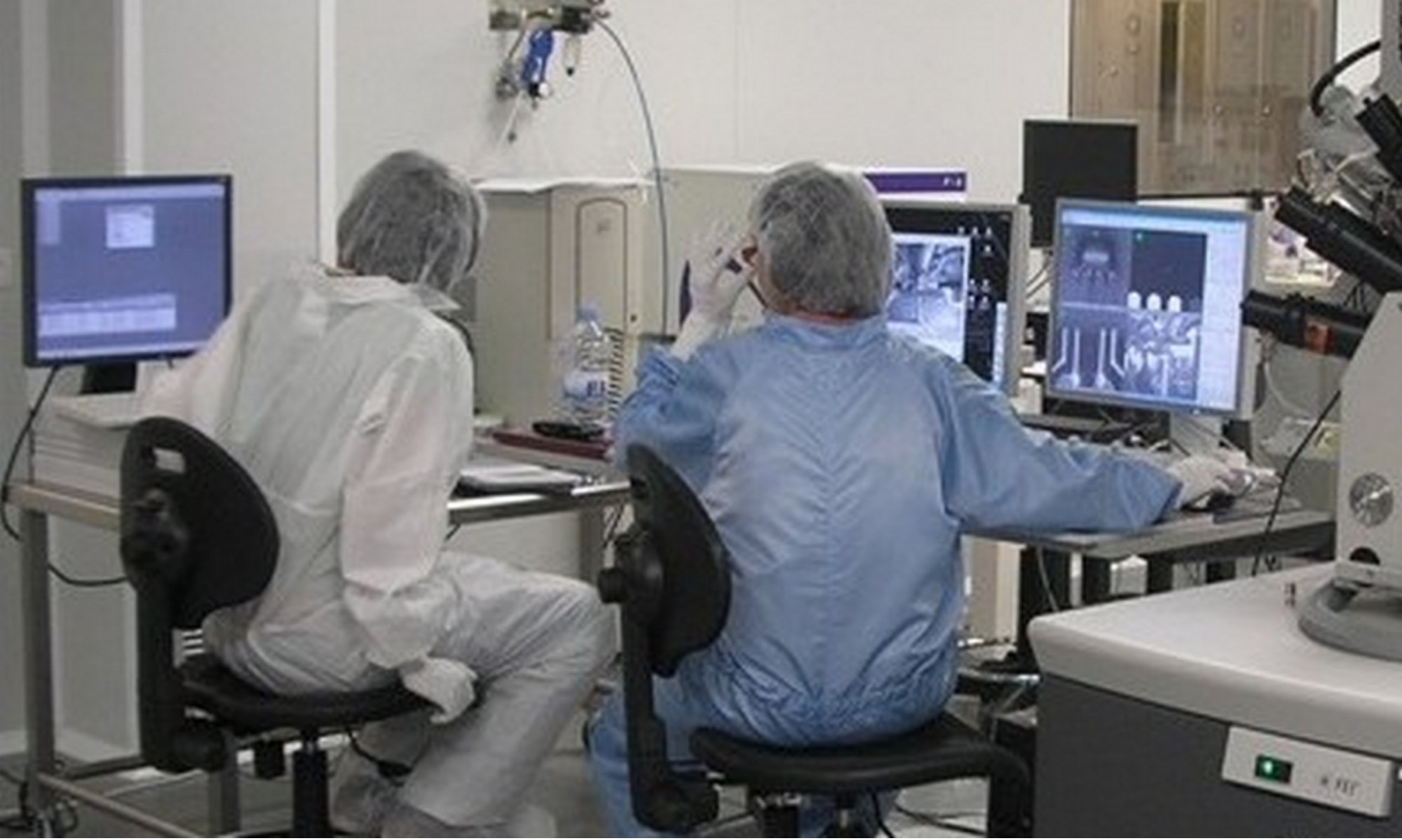
The collaboration involved researchers and students from the Department of Physics, including Carlos García and PhD students Fernando Soto, Paul Carvajal, and Manolo Cardona, who participated in collaborative research activities in Spain and France. During their stays abroad, the students worked with advanced fabrication and characterisation techniques for thin films and spintronic devices while integrating into international research teams and accessing high-level scientific infrastructure.
According to Professor García, the project represented an important milestone for the internationalisation of scientific research at USM. Beyond the scientific results, the initiative helped create long-term academic networks and strengthened cooperation between Latin American and European institutions working in nanomagnetism and advanced materials.
The experience gained through ULTIMATE-I also opened new opportunities for USM students and researchers. One of the most significant outcomes was the advancement of a dual-degree process between USM and the Université de Lorraine in France, involving student Damián Melo.
Following the completion of the project, USM’s Applied Magnetism Group began preparing new Horizon Europe proposals with a stronger focus on applied research and industry collaboration, further consolidating the university’s international presence in nanoscience, advanced materials, and spintronics research.


DOI: 10.3390/nano16090558
Nanomaterials 2026, 16(9), 558
Published 1st May 2026
Lakshmanan Saravanan, Murugesan Praveen Kumar, Ayyanuservai Ravikumar, Govindhasamy Murugadoss, Roberto Rodríguez-Suárez, Smiljan Vojkovic, Delhibabu Prabhu, Shaik Gouse Peera and Carlos García

IEEE International Magnetics Conference (INTERMAG 2026), Manchester (UK), from 13th to 17th April
Dante Peluso (CONICET); poster presentation: “Thermomagnetic properties of mixed-valence La1-xSrxMnO3 manganite films near the x = 0.2 morphotropic phase boundary”; authors: D. Peluso, M. A. Rengifo, J. Santiso, M. Aguirre, S. Di Napoli, M. Quintero
Luis Avilés (CONICET); poster presentation: “Crystallographic orientation dependence of the anisotropic magnetoresistance in epitaxial Fe100-xCox thin films”; authors: L. Saba, A. Paz, W. Painado Lozano, A. Gutarra, L. León Hilario, D. Pérez Morelo, D. González-Chávez, J. Gómez, A. Butera, M. Granada, L. Avilés Félix
Lara Solís (CNEA); poster presentation: “Substrate-controlled strain and magnetic anisotropy in epitaxial YIG films”; authors: L. M. Solís, J. Santiso, F. Bonetto, P. Vavassori, J. Rojas-Sánchez, S. Petit-Watelot, L. Steren, M. Aguirre
MATSUS Spring 2026 Conference, from 23rd to 27th March 2026, Barcelona (Spain)
Solange Di Napoli (CONICET); poster presentation: “Thermomagnetic properties of mixed-valence manganite films near the x ≈ 0.2 phase transition”; authors: Dante Peluso, Miguel A. Rengifo, José Santiso, María A. Barral, Myriam Aguirre, Mariano Quintero and Solange Di Napoli
Ana Mª Llois (CONICET); poster presentation: “Switching electronic properties in a 2D CrI ₂/α-In₂Se₃ heterostructure via ferroelectric polarization”; autores: Jhon F. Ospina, Solange M. Di Napoli, Myriam Aguirre, Ana M. Llois and María A. Barral
Andrea Barral (CONICET); poster presentation: “Strain-induced electronic charge redistribution in graphene on patterned hBN”; authors: Solange Di Napoli, Dawei Zhai Myriam Aguirre, Nancy Sandler and M. Andrea Barral
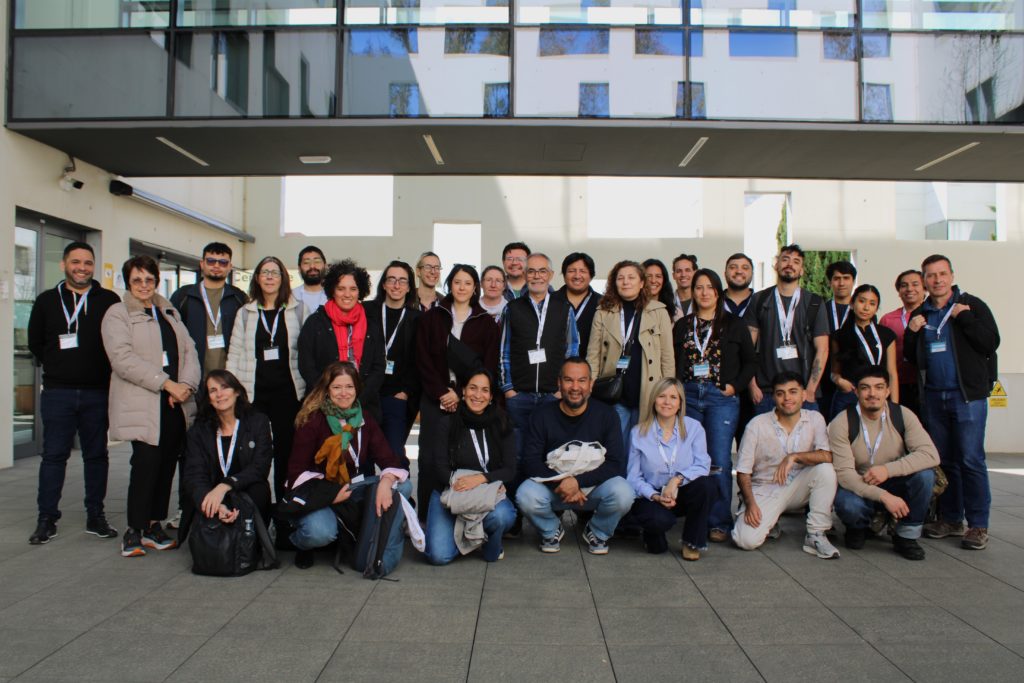
Final Workshop ULTIMATE-I project– Barcelona, March-April 2026
FINAL PROJECT MEETING: ULTIMATE-I
“Ultra Thin Magneto Thermal Sensoring” Supported by the European Union | Grant Agreement ID: 101007825
Location & Dates
Program Highlights (see the attached agenda, already including most of the presentation titles)
Logistics & Funding (only for registered ULTIMATE-I members)
Important Deadlines & Action Items
We look forward to seeing you in Barcelona for this final milestone!
Google Drive folder where you will find:
https://drive.google.com/drive/folders/16wfEoewa6CfRnyp3PcGNeRkf05pqd_kT?usp=sharing
Here you can find a news note from our institute:
https://icn2.cat/en/news/5601-icn2-hosts-final-meeting-of-the-ultimate-i-project